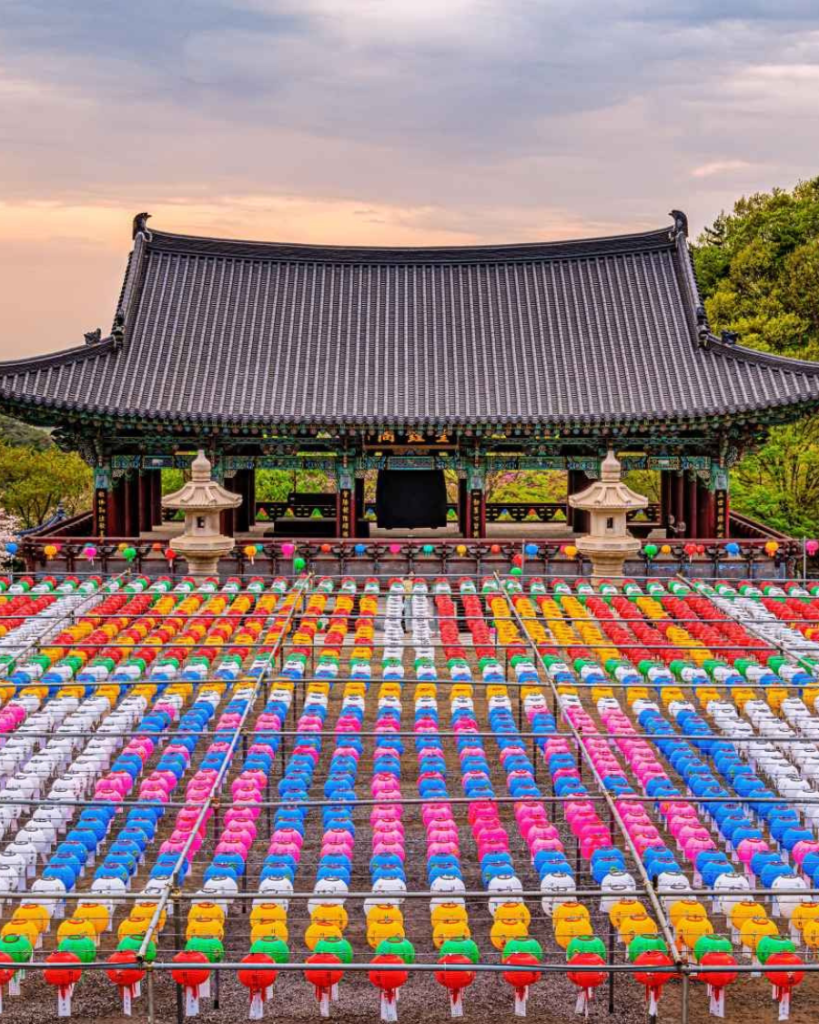


Traditional holidays in South Korea are more than just celebrations. They are a time for families to gather, share stories, honor traditions, and prepare meaningful dishes together. Many of these foods are carefully made for special occasions like Seollal (Lunar New Year) and Chuseok (Korean Harvest Festival), with each dish symbolizing prosperity, happiness, health, or togetherness.
If you want to experience Korean culture through food, these iconic holiday dishes are the perfect place to start.
Jeon (Korean Savory Pancakes)
Jeon are crispy Korean savory pancakes made by coating ingredients in a light batter before pan-frying them to golden perfection. During Korean holidays, families often prepare a variety of jeon together, creating colorful platters filled with different textures and flavors.
Popular styles include kimchi pancakes, seafood green onion pancakes, mung bean pancakes, and pan-fried meat patties. The preparation process itself has become a cherished family tradition in many Korean households.
Warm, savory, and comforting, jeon is one of the most recognizable foods found on Korean holiday tables.
Japchae (Stir-Fried Glass Noodles
Japchae is a beloved Korean noodle dish made with sweet potato glass noodles stir-fried alongside vegetables, mushrooms, and marinated meat in a savory soy sauce blend.
Originally enjoyed by Korean royalty, japchae is now considered a staple dish for celebrations and family gatherings. Each ingredient is usually cooked separately before being combined, giving the dish its beautiful color and balanced flavor.
Its glossy noodles and rich aroma make japchae one of the most popular dishes served during Korean holidays and special occasions.
Galbijjim (Braised Short Ribs)
Galbijjim is a rich and tender braised short rib dish often reserved for important celebrations. Slowly simmered with radish, carrots, chestnuts, and jujubes, the meat becomes incredibly soft while absorbing deep sweet and savory flavors.
Because the dish requires time and careful preparation, it is often associated with generosity, warmth, and family gatherings.
Regional variations also exist throughout Korea, including spicy styles that feature bold chili flavors for an extra kick.
Namul (Seasoned Vegetable Side Dishes)
6
Namul refers to a variety of seasoned vegetable side dishes that are essential in Korean cuisine. During traditional holidays, families commonly prepare colorful namul dishes using spinach, fernbrake, and bellflower root.
These dishes not only add vibrant color to the table but also represent balance, health, and harmony. After family ceremonies, leftover namul is often mixed into bibimbap with rice, sesame oil, and gochujang for a delicious second meal.
Simple yet deeply rooted in Korean culture, namul reflects Korea’s appreciation for natural ingredients and seasonal cooking.
Tteokguk (Rice Cake Soup)
Tteokguk is the signature dish of Seollal, Korea’s Lunar New Year celebration. Thinly sliced rice cakes are simmered in a warm beef broth and topped with egg garnish and seaweed flakes.
In Korean culture, eating tteokguk symbolizes welcoming a fresh new year and gaining another year of age. The white rice cakes represent purity and a clean beginning, while their round shape symbolizes prosperity and good fortune.
For many Koreans, no Lunar New Year celebration feels complete without a bowl of tteokguk shared with family.
Hangwa (Traditional Korean Sweets)
Hangwa refers to traditional Korean sweets made from ingredients such as glutinous rice, sesame seeds, beans, and honey. These beautifully crafted treats are often enjoyed during holidays, weddings, and celebrations.
Popular varieties include yakgwa, a deep-fried honey cookie, yugwa, a light and crispy rice snack, and gangjeong, a crunchy puffed rice confection.
Often paired with traditional drinks like sikhye or cinnamon punch, hangwa offers a sweet glimpse into Korea’s long culinary history and artistic food culture.
Food has always played an important role in Korean traditions, bringing generations together through shared preparation, storytelling, and celebration. Whether savory or sweet, these holiday dishes continue to connect people through flavors passed down over centuries.